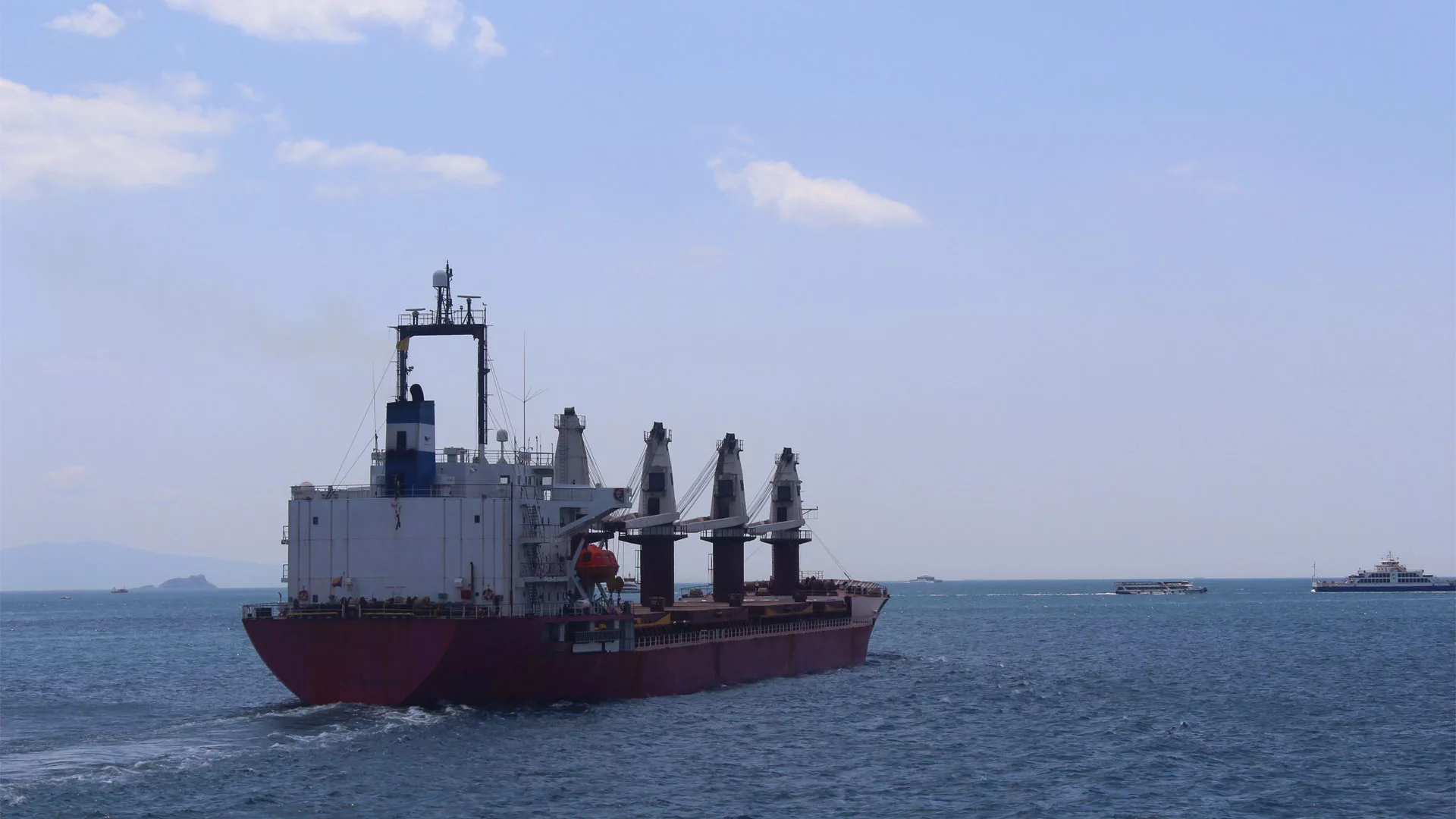
Replacing a fixed gas detector on a vessel typically costs between a few hundred and several thousand euros, depending on the detector type, the brand, and whether it is a like-for-like swap or part of a broader system upgrade. Installation and labour add to that figure, and on a vessel the total bill can vary significantly based on port location and the complexity of the existing setup. The sections below break down each cost factor so you know exactly what to expect before you commit to a replacement.
What factors determine the price of a fixed gas detector?
The price of a fixed gas detector depends primarily on the type of gas it detects, the sensing technology it uses, and whether it must meet specific maritime certifications. A basic catalytic bead detector for combustible gases sits at the lower end of the price range, while electrochemical, infrared, or multi-gas detectors with ATEX or marine-type approval carry a higher price tag. Brand, build quality, and compatibility with your existing fire and gas detection system also play a large role.
Other factors that influence the purchase price include:
- Sensing technology: Infrared and optical sensors cost more than catalytic bead sensors but typically offer longer service life and lower maintenance costs.
- Certifications: Detectors approved for use in hazardous areas (ATEX, IECEx) or carrying classification society approval are priced higher because of the testing and documentation involved.
- Brand and availability: Common brands with wide distribution tend to be more competitively priced. Niche or discontinued brands can be harder to source and therefore more expensive.
- New vs. refurbished: A reconditioned unit from a reputable supplier can deliver significant savings while still meeting safety and compliance requirements.
How much does a replacement fixed gas detector typically cost?
A replacement fixed gas detector for a vessel generally ranges from around 300 to over 3,000 euros per unit, depending on the technology and specification. Simple single-gas catalytic detectors sit toward the lower end, while certified infrared or multi-gas detectors for hazardous areas sit toward the upper end. Pricing for obsolete or hard-to-find models can fall anywhere in that range or exceed it.
It is worth noting that the unit price alone rarely tells the full story. A cheaper detector that requires frequent sensor replacement or recalibration may cost more over its service life than a more expensive unit with a longer sensor lifespan. When budgeting, factor in the expected maintenance interval alongside the upfront purchase price.
What installation and labour costs should be expected on a vessel?
Installation and labour costs for replacing a fixed gas detector on a vessel depend on the port location, the complexity of the wiring, and whether a specialist technician needs to be mobilised. In a major European port, you might expect a few hundred euros for a straightforward swap-out by a qualified engineer. In a remote port or for a more complex installation involving system reconfiguration, that figure can rise considerably.
Key cost drivers for installation include:
- Technician travel and mobilisation: Bringing a certified engineer on board in a distant port adds travel time and cost.
- Wiring and cabling: If the new detector uses a different wiring standard or connector type, additional cabling work is needed.
- System reconfiguration: Updating the control panel to recognise the new detector, adjusting alarm thresholds, and testing the loop all take time.
- Commissioning and documentation: Classification societies or flag state requirements may call for formal commissioning and sign-off, which adds to the time on board.
Minimising port days is often the biggest financial pressure. Choosing a supplier who can deliver the right detector quickly and provide remote technical guidance before the engineer arrives helps keep labour time to a minimum.
Does replacing one detector require upgrading the whole gas detection system?
Replacing a single fixed gas detector does not automatically require a full system upgrade, but compatibility with the existing control panel and wiring is something you need to confirm before ordering. Most modern detectors can be connected to existing panels if the signal type and communication protocol match. Where an older panel uses a proprietary protocol, a direct replacement from the same manufacturer is usually the simplest route.
The situation becomes more complicated when the original detector model has been discontinued and no direct replacement exists. In that case, you have three realistic options: source a reconditioned original unit, use an approved cross-reference replacement that the panel manufacturer accepts, or upgrade the panel alongside the detector. A full system upgrade is only necessary when the existing panel can no longer support any compatible detector or when regulatory requirements have changed in a way that the current setup cannot accommodate.
When is a refurbished gas detector a cost-effective alternative?
A refurbished gas detector is a cost-effective alternative when the original model is discontinued, when budget is tight, or when the vessel needs to return to service quickly and a new unit is not immediately available. A properly reconditioned detector that has been tested, calibrated, and certified by a reputable supplier offers the same functional performance as a new unit at a meaningfully lower price.
Refurbished units are particularly useful for older vessels where the control panel is tied to a specific detector range that is no longer in production. Replacing a discontinued detector with a reconditioned original keeps the system intact without the cost and complexity of a panel upgrade. The important thing is to source refurbished equipment from a supplier with a documented reconditioning and testing process, so you can demonstrate compliance to your classification society if required.
How can replacement costs be minimised without compromising safety?
The most effective ways to minimise gas detector replacement costs are planning ahead, choosing compatible replacements that avoid system-wide changes, and working with a supplier who holds stock and can advise on cost-effective alternatives. Reactive replacement during a port call is always more expensive than proactive replacement during a scheduled dry-dock or maintenance period.
Practical steps to keep costs down:
- Maintain a spare detector on board: Having a tested spare means you can swap immediately without waiting for delivery or paying emergency freight.
- Use cross-reference replacements where approved: A compatible detector from an alternative brand can be significantly cheaper than the original, provided the panel accepts it.
- Consider refurbished units for discontinued models: As discussed above, a reconditioned original is often the most cost-efficient route for older systems.
- Consolidate replacements: If multiple detectors on the same vessel are nearing end of life, replacing them in one visit reduces mobilisation and labour costs per unit.
- Get technical advice before ordering: Confirming compatibility before purchase avoids costly mistakes and return shipments.
How we help with gas detector replacement on your vessel
At Lavastica, we specialise in sourcing and supplying fixed gas detectors for maritime applications, including hard-to-find and discontinued models. We stock a wide range of new and refurbished detectors from more than 100 brands, and our technical team can advise you on compatible replacements that work with your existing system without requiring a full upgrade. Here is what we offer:
- Fast worldwide delivery from our warehouse in Rotterdam, minimising port time
- Refurbished and obsolete detector stock for older vessels and discontinued product lines
- Technical support on compatibility, certifications, and panel integration
- Emergency service for urgent replacements when a vessel is in port
- Commissioning assistance to ensure the new detector is correctly installed and documented
Whether you need a single replacement unit or advice on a broader system review, we are here to help. Explore our Fire & Gas range or visit Lavastica International for a full overview of what we supply. Ready to move forward? Contact us to discuss how we can help you get the right detector on board as quickly as possible.
Contact us.
Do you need help with a few questions you have or do you need help with a very large project? Please contact us and we will see what we can do for you.